One of the most loved poses in yoga, Child’s Pose, or Balasana in Sanskrit, is a gentle posture that invites rest, reflection, and release. It’s a beautiful way to begin or end your day, helping you reset both body and mind.
Practised in the morning, Child’s Pose helps awaken the body, stretch the spine, and encourage mindful breathing. In the evening, it helps melt away the day’s tension, easing stress and grounding your energy before sleep.
Simple yet deeply restorative, Child’s Pose can be done anywhere, anytime — no yoga class required.

How to Practise Child’s Pose
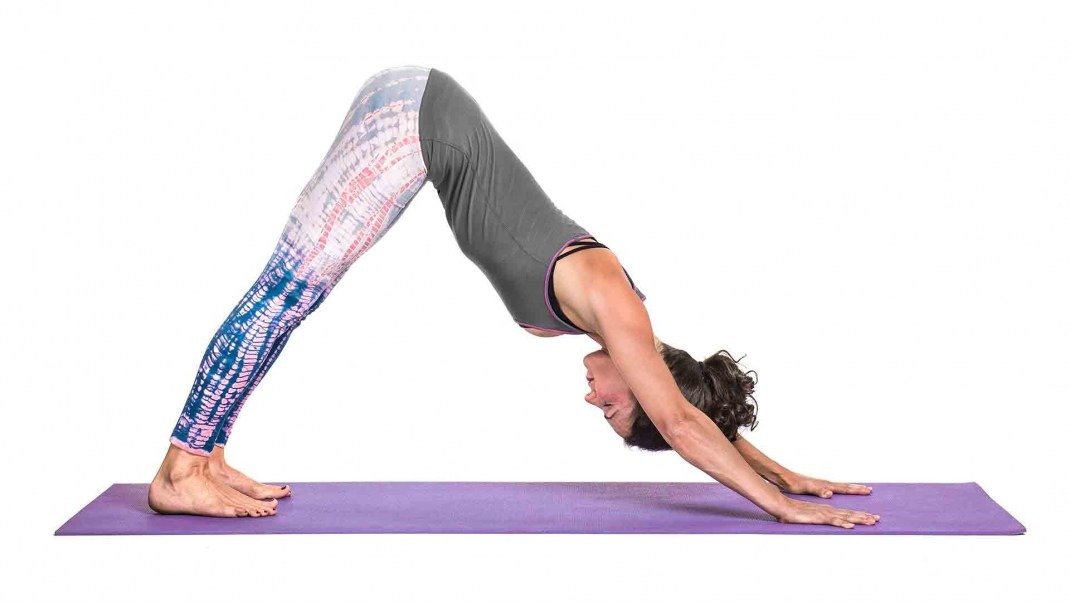
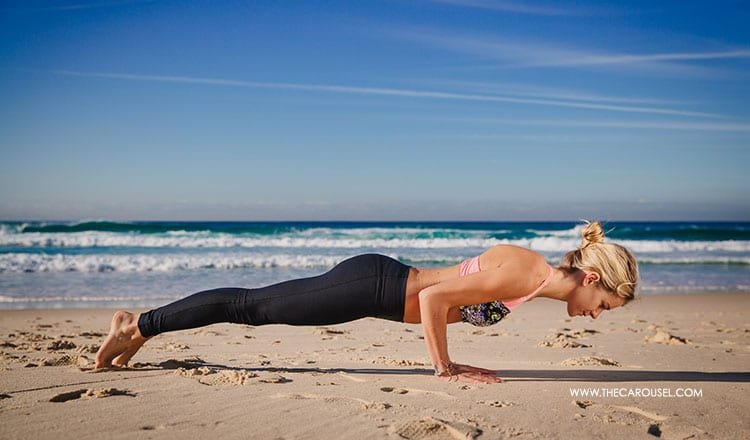
- Start in Tabletop Position:
Come onto all fours, with your hands under your shoulders and your knees under your hips. - Bring Knees and Feet Together:
Draw your knees together and allow your big toes to touch. - Sit Back:
Gently press your hips back towards your heels. - Fold Forward:
Lower your chest to rest on your thighs and place your forehead on the mat. - Position Your Arms:
- For a deeper upper back stretch: extend your arms forward, palms facing down.
- For a more restorative version: rest your arms beside your legs, palms facing up.
- Breathe Mindfully:
Relax your shoulders, jaw, and eyes.
Inhale through your nose for a count of four, and exhale through your nose for a count of five.
With every breath, feel your spine lengthen and your body soften into the pose.
Stay here for as long as you like — allowing stillness, calm, and comfort to take over.
Coming Out of Child’s Pose
To transition out of the pose:
- Slowly lift your head and heart, lengthening through your spine.
- Engage your core slightly, as if drawing your belly button toward your spine.
- Press your palms into the mat and lift your hips to return to tabletop position.
Move gently, keeping your breath steady.
Variations: Wide-Knee Child’s Pose
If your hips or knees feel tight, try the Wide-Knee variation for extra comfort.
- From tabletop, take your knees wide apart while keeping your big toes touching.
- Gently press your hips back toward your heels.
- Allow your chest to melt between your thighs and rest your forehead on the mat.
This open-knee version creates more space through the hips and is perfect for beginners or anyone working on flexibility.
Helpful Props
You can make Child’s Pose even more relaxing by using props for support:
- Yoga Block: Place under your forehead if it doesn’t comfortably reach the floor.
- Pillow or Cushion: Tuck between your thighs and calves to reduce pressure on your knees or ankles.
These small adjustments allow your body to fully relax and receive the restorative benefits of the pose.

The Benefits of Child’s Pose
Practising Child’s Pose regularly can bring both physical and emotional benefits, including:
- Deep relaxation and stress relief
- Reduced fatigue and anxiety
- A gentle stretch through the spine, hips, and shoulders
- Improved flexibility and mobility
- Relief from neck and back pain
- Stimulated digestion and circulation
- A calm, centred state of mind
Child’s Pose is one of yoga’s most nurturing postures — offering a sense of stillness and surrender that helps restore balance to the body and mind.
When to Avoid Child’s Pose
Avoid or modify this pose if you:
- Have a knee injury
- Are pregnant
- Experience bowel discomfort or abdominal pressure
Always listen to your body, and adjust the pose or use props for support as needed.
Inhale calm, exhale tension.
Whether used as a moment of rest between active poses or as a daily mindfulness ritual, Child’s Pose (Balasana) is a gentle reminder to pause, breathe, and reconnect with yourself.