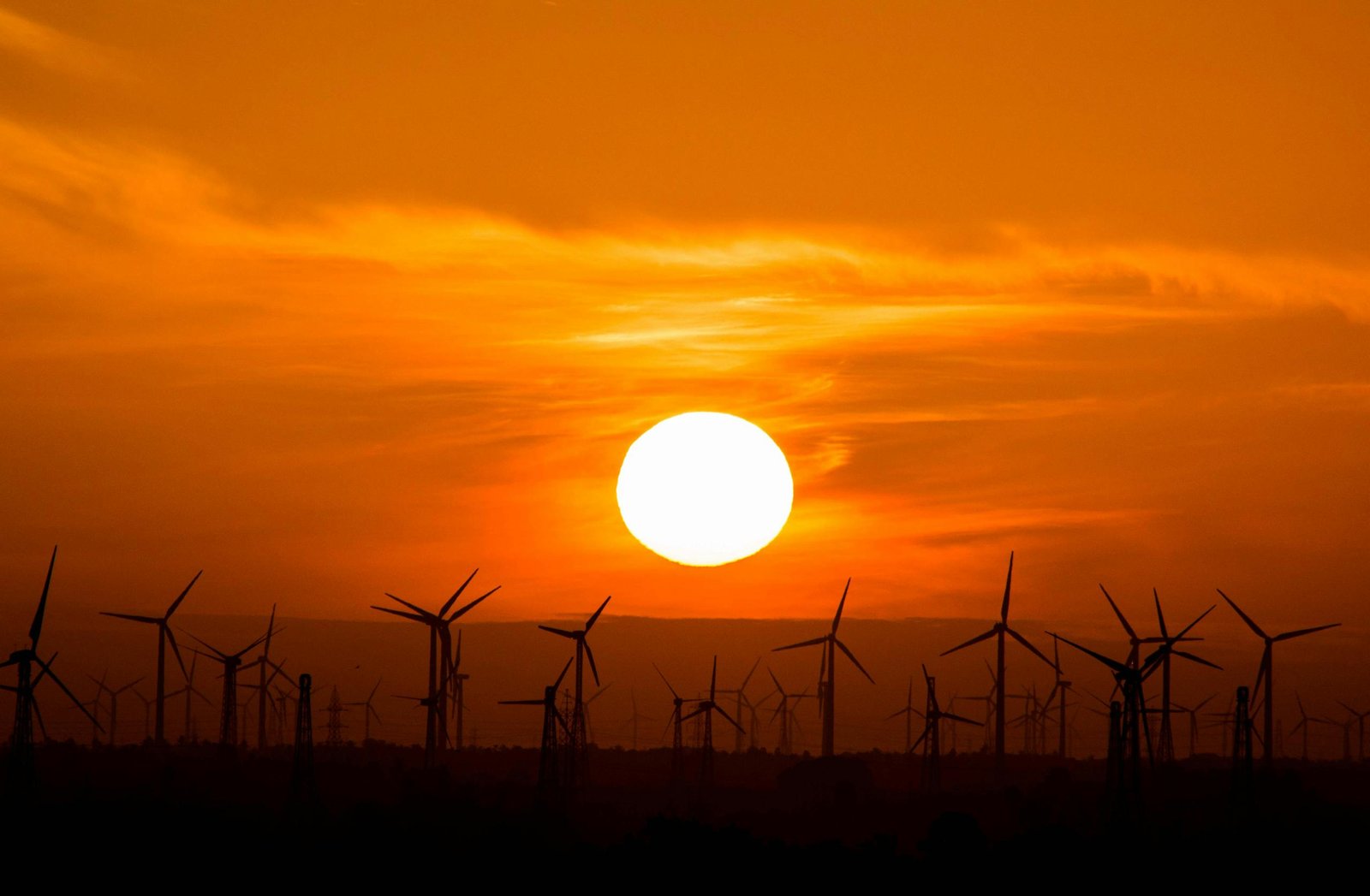
As Australia braces for a record-breaking summer, leading medical experts will descend on Parliament House this Tuesday to deliver a stark warning: climate change is not only heating the continent — it is fuelling a mental health crisis. Doctors will call for mental health to be placed at the centre of Australia’s climate and health policy.
“Our changing climate is making both our bodies and minds sicker,” said Dr Kate Wylie, GP and Executive Director of Doctors for the Environment Australia (DEA). “We are already seeing the physical toll — asthma, heart disease, pregnancy complications — and the mental health consequences are severe and accelerating.”
The warning comes amid a series of already devastating climate impacts:
- October heat records broken across multiple states
- Algal blooms in South Australia
- Drought in regional Victoria
- One in six homes at risk of flooding, driving high insurance premiums
Since releasing its landmark report How Climate Affects Mental Health in Australia earlier this year, DEA will unveil an updated edition presenting new evidence that climate change is already harming Australians’ mental health — with impacts projected to intensify by 2050.

Heat, Trauma, and Mental Health
Dr Cybele Dey, Child and Adolescent Psychiatrist at UNSW, outlined the alarming links between rising temperatures and mental health crises:
- Suicide risk rises with even mild heat, particularly among young people. Suicide remains the leading cause of death for Australians aged 15–44.
- Domestic violence and assaults increase during heatwaves.
- Rural and remote communities face heightened vulnerability, with more extreme weather and limited access to mental health services.
- Children exposed to disasters — including witnessing a parent in danger — face long-term risks of PTSD and developmental disorders.
“Climate adaptation is mental health prevention,” Dr Dey said. “Safe, cool homes, clear guidance on staying healthy, and accessible local mental health care are critical to saving lives.”
Murrurundi resident Emelia Archbald said she understands why severe heat conditions can affect your mood. “I find the heat oppressive and hate being locked up in the house all day,” says the mother of two from the Upper Hunter region. “My favourite time of year is winter when you can rug up to keep warm. The problem with being too hot is it’s harder to cool down.”
“I find the heat oppressive and hate being locked up in the house all day,” says Emelia Archbald from rural NSW

Protecting Mothers, Children, and Communities
Dr Wylie highlighted the impact on mothers and newborns:
“Complications during pregnancy, including pregnancy loss, premature births, and low birth weight, are rising with extreme weather exposure. These outcomes correlate strongly with mental health disorders and lifelong neurological impacts in children.”
Experts stress that climate distress can be mitigated through meaningful action, including protecting communities from heat and extreme weather and rejecting new fossil fuel projects.
Parliamentary Event
The event, hosted by Parliamentary Friends of Climate Action, is co-chaired by Zali Steggall MP, Jerome Laxale MP, and Senator Maria Kovacic. Attending doctors and researchers include:
- Dr Matthew Barton, University of Sydney
- Dr Pramudie Gunaratne, Chair of NSW RANZCP
- Prof Susan Rees, UNSW & Harvard
- Prof Deborah Lupton, UNSW Social Health & Policy
- Prof Sarah Perkins-Kilpatrick, ANU & UNSW
This coalition of experts represents the breadth of medical and scientific authority uniting to sound the alarm.
The Evidence Is Clear
Research shows:
- Hotter days increase rates of anxiety, depression, and suicide
- Extreme weather disrupts access to mental health care while increasing demand
- Children and vulnerable populations face long-term mental health risks from acute and chronic climate exposure
“We cannot wait,” said Dr Wylie. “Every new heatwave, drought, and flood adds to the mental health burden. Australia’s leaders must act now.”
About Doctors for the Environment Australia
DEA is the leading medical voice on health and climate, working with communities and health professionals to respond to the health effects of climate change through education, practical support, and advocacy for strong government action to reduce pollution.